
Easy Teriyaki Salmon
This easy teriyaki salmon is full of flavor. Made with a low-sugar glaze, it's ready in just 25 minutes and perfect for weeknight dinners.
Servings 4 servings
Calories 349kcal
Ingredients
Salmon:
- 4 salmon fillets 6 ounces each, pin bones removed
- Avocado oil spray
Teriyaki glaze:
- 2 tablespoons reduced-sodium soy sauce or a gluten-free alternative
- 1 teaspoon cornstarch
- 2 tablespoons dry white wine or sake
- 1 tablespoon honey
- 1 teaspoon fresh garlic minced
- 1 teaspoon fresh ginger root grated
Garnish:
- 1 teaspoon sesame seeds
Instructions
Bake the salmon:
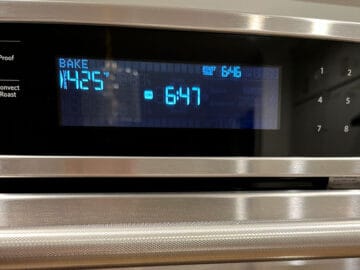
- Preheat the oven to 425°F and position a rack in the middle of the oven.
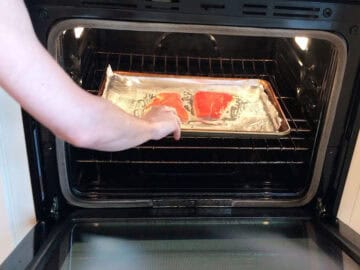
- Line a rimmed baking sheet with foil and grease the foil. Place the salmon pieces in the pan and lightly coat them with oil. Bake until cooked to 145°F, 12-15 minutes, depending on their thickness.4 salmon fillets, Avocado oil spray
Make the sauce:
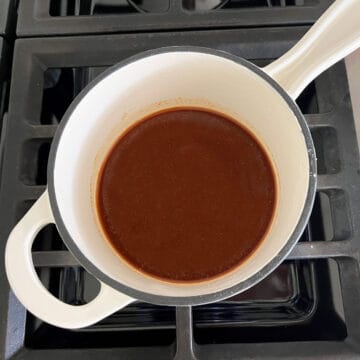
- While the salmon is in the oven, whisk together the soy sauce and cornstarch in a small saucepan. Add the white wine, honey, minced garlic, and grated ginger, whisking to combine.2 tablespoons reduced-sodium soy sauce, 1 teaspoon cornstarch, 2 tablespoons dry white wine, 1 tablespoon honey, 1 teaspoon fresh garlic, 1 teaspoon fresh ginger root
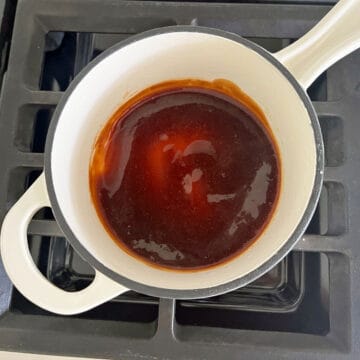
- Heat the glaze over medium-low heat, whisking often, for 3-4 minutes, until it thickens into a syrup. Remove from heat as soon as it thickens. Keep a close eye on it - it thickens fast.
Finish the dish:
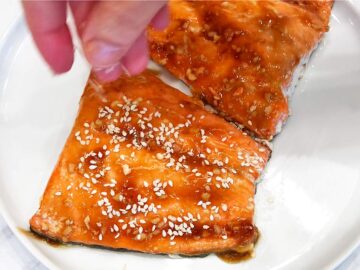
- Remove the cooked salmon fillets to a serving platter. Brush them with the teriyaki glaze, sprinkle with sesame seeds, and serve.1 teaspoon sesame seeds
Video
Notes
- Saltiness and sweetness preferences are highly personal. Adjust to taste.
- If you prefer to cook the salmon on the stovetop instead of baking, follow this recipe for pan-fried salmon, omitting the thyme and substituting avocado oil for the olive oil and butter. When the salmon is ready, coat it in the glaze.
- You can use frozen salmon fillets, but please thaw them for 24 hours in the fridge before cooking. Pat them dry well before cooking to remove extra moisture.
- You can keep the leftovers in an airtight container in the fridge for up to 3 days. Leftover salmon tends to dry out and taste fishy when reheated, so I prefer to crumble the leftovers and use them as a cold salad topping the next day for lunch (removing the skin).
Nutrition
Serving: 1salmon filet | Calories: 349kcal | Carbohydrates: 6g | Protein: 33g | Fat: 18g | Saturated Fat: 3g | Sodium: 366mg | Sugar: 4g
Easy Teriyaki Salmon https://vortex-health.news/teriyaki-salmon/%3C/p%3E%3C/div%3E%3Cdiv class="wprm-qr-code-container">