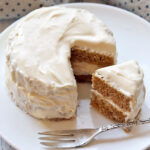
Keto Mug Cake
With its fluffy crumb and rich frosting, this keto mug cake is a wonderful indulgence that's ready in about 10 minutes.
Servings 2 serving
Calories 200kcal
Ingredients
Frosting:
- 2 ounces cream cheese cubed
- ¼ teaspoon stevia glycerite equals 1 tablespoon of sugar
- ⅛ teaspoon vanilla extract
Cake:
- 1 tablespoon unsalted butter
- ½ teaspoon stevia glycerite scant; equals 2 tablespoons of sugar
- ½ teaspoon vanilla extract
- 1 large egg
- 1 tablespoon coconut flour 7 grams; see notes below
- ¼ teaspoon ground cinnamon
- ¼ teaspoon baking powder fresh, gluten-free if needed
Instructions
- Make the frosting: Place the cream cheese on a microwave-safe plate. Soften it in the microwave for about 10 seconds. Mix in the stevia and vanilla extract. Whisk with a small fork until smooth. Set aside.2 ounces cream cheese, ¼ teaspoon stevia glycerite, ⅛ teaspoon vanilla extract
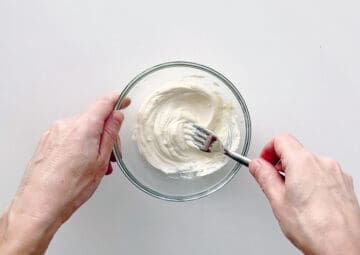
- Place the butter in a microwave-safe ¾-cup, 3.5-inch ramekin (the one I use is similar to this one). Melt it in the microwave in two 10-second sessions.1 tablespoon unsalted butter
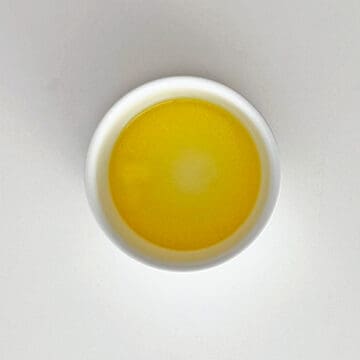
- Using a small hand whisk or a fork, whisk in the stevia, vanilla, and egg until well incorporated.½ teaspoon stevia glycerite, ½ teaspoon vanilla extract, 1 large egg

- Add the coconut flour. Whisk until smooth, scraping the sides and bottom and making sure the batter is completely smooth, well incorporated, and free of lumps. Especially check the bottom of the ramekin to make sure there are no unmixed areas.1 tablespoon coconut flour
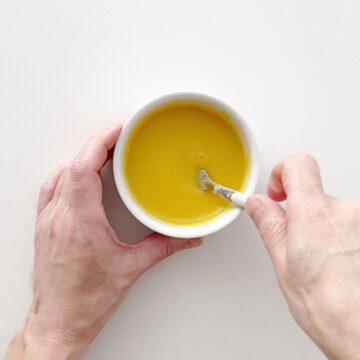
- Mix in the cinnamon, followed by the baking powder.¼ teaspoon ground cinnamon, ¼ teaspoon baking powder
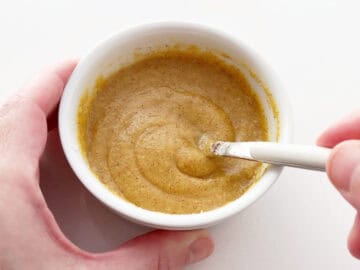
- Microwave the cake for about 70 seconds (in a 1200-watt microwave), just until a toothpick inserted in its center comes out clean. See notes below about timing.
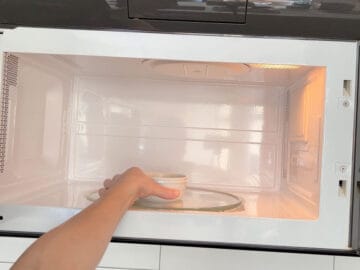
- Carefully remove the ramekin from the microwave. Use oven mitts - it will be hot. Place it on a heatproof trivet or cutting board.
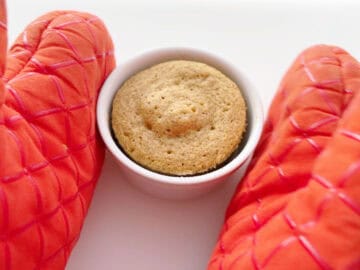
- Gently remove the cake from the ramekin. Run a knife around the edges and slide a small rubber spatula under the bottom if needed. Turn the cake upside down to allow the bottom to air out and prevent sogginess. Allow it to slightly cool.
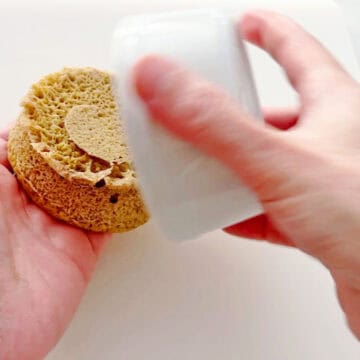
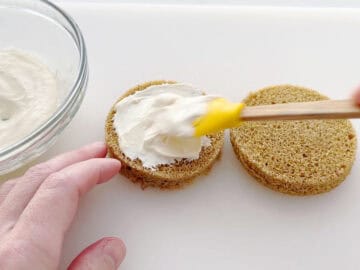
- To frost the cake, slice it in half crosswise. Frost the center, then the top and sides. You can watch the video below to see exactly how I do it.
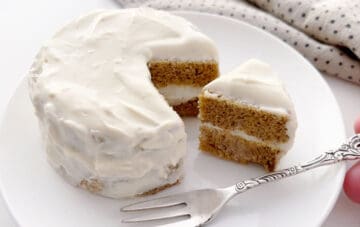
- Cut the cake and serve.
Video
Notes
- Since coconut flour is so drying, it's best to measure it by weight with a kitchen scale. But in case you don't own a scale, I experimented and found that when you gently spoon the flour and then level it off with the flat edge of a knife, you should get a pretty accurate measure. Make sure to avoid packing the flour in or using a heaping tablespoon. That would be too much.
- After you add the coconut flour, the batter will be quite lumpy. It takes time and patience for the batter to become smooth, so just keep mixing. It takes a few minutes, but eventually, it WILL happen.
- I used to microwave this cake for 90 seconds in my old 1000-watt microwave. In my new 1200-watt microwave, the cake is ready after 70 seconds. After 80 and certainly 90 seconds, it’s too dry. The cooking time can also vary depending on how shallow your bowl/ramekin is and on whether you measured the coconut flour accurately. So, it’s a good idea to start with 70 seconds. You can always add 10 more seconds if needed, but you can’t fix a dry cake.
- Microwave baking is unpredictable, so it's a good idea to place the ramekin on a microwave-safe plate to catch any spills.
- You can use a granulated sweetener in the cake and a powdered sweetener in the frosting instead of stevia. Sweetness is a personal preference. Use these amounts as a guide and adjust to taste.
- You can keep the leftovers in an airtight container in the fridge for up to three days. Remove them from the fridge about 30 minutes before enjoying them.
- Approximate nutrition info for the cake without frosting (the entire cake): 210 calories, 8g protein, 17g fat, 6g carbs, 3g fiber.
Nutrition
Serving: 0.5cake | Calories: 200kcal | Carbohydrates: 4g | Protein: 5g | Fat: 18g | Saturated Fat: 11g | Sodium: 129mg | Fiber: 1g | Sugar: 2g
Keto Mug Cake https://vortex-health.news/keto-mug-cake/%3C/p%3E%3C/div%3E%3Cdiv class="wprm-qr-code-container">