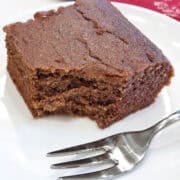
Simple Keto Gingerbread
This simple keto gingerbread is moist, tender, and fluffy. Despite containing no molasses or brown sugar, it tastes just like the real thing!
Servings 9 squares
Calories 175kcal
Ingredients
- ½ tablespoon unsalted butter for the pan
- 4 large eggs
- ¼ cup whole milk
- 2 tablespoon unsalted butter melted
- 1.5 teaspoons stevia glycerite equals ½ cup of sugar - see notes below
- 1 tablespoon ground cinnamon
- 1 tablespoon cocoa powder natural, unsweetened; see notes below
- 1 tablespoon minced fresh ginger
- ¼ teaspoon salt
- 1½ cups superfine almond flour 6 ounces; it's best to measure by weight
- ½ teaspoon baking soda see notes below
Instructions
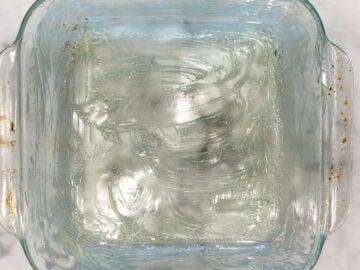
- Preheat the oven to 325°F. Generously grease a square glass 8-inch baking dish with butter.½ tablespoon unsalted butter
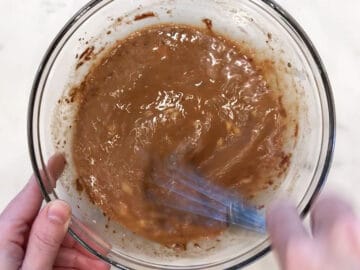
- In a medium bowl, whisk together the eggs, milk, melted butter, stevia, cinnamon, cocoa powder, ginger, and salt.4 large eggs, ¼ cup whole milk, 2 tablespoon unsalted butter, 1.5 teaspoons stevia glycerite, 1 tablespoon ground cinnamon, 1 tablespoon cocoa powder, 1 tablespoon minced fresh ginger, ¼ teaspoon salt
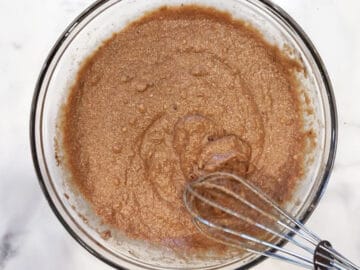
- Whisk in the almond flour and baking soda.1½ cups superfine almond flour, ½ teaspoon baking soda
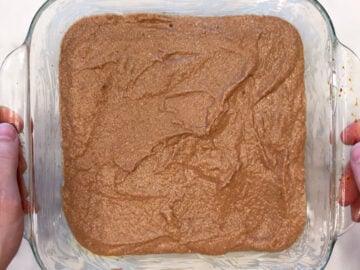
- Pour the batter into the prepared pan. Bake until the cake is puffed and a toothpick inserted in the center comes out clean, about 20 minutes.
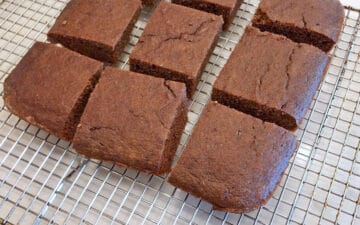
- Cool the cake in the pan on a cooling rack for 20 minutes, then cut it into nine squares and serve.
Video
Notes
- Sweetness is a personal preference. Use these amounts as a guide and adjust to taste.
- Occasionally, baking soda can cause a reaction in baked goods that results in an ammonia smell. If you're concerned about it happening, use ½ tablespoon of fresh, non-expired baking powder (gluten-free if needed) instead of baking soda.
- You can use a granulated sweetener instead of stevia. If the batter seems too thick, add an extra tablespoon of milk.
- I don't recommend using ginger powder. The flavor will suffer. If you must, you can use ¼ teaspoon, but I highly recommend waiting with this recipe until you have fresh ginger.
- This might be somewhat unusual, but I like to add a tablespoon of cocoa powder. It gives the cake a deeper color and an additional layer of rich flavor. This is useful because I don't use brown sugar or molasses.
- If using baking soda, it's best to use natural cacao powder (not treated with alkali). Its acidity will help activate the baking soda, ensuring a fluffy cake. If using baking powder, it's fine to use cocoa powder treated with alkali.
- I like the cake unfrosted, but you can frost it with this keto cream cheese frosting.
- Once completely cool, you can wrap the cake in cling wrap, then in a layer of foil, and store it in the fridge. It keeps well for about 5 days. You can also wrap and freeze it, or freeze individual slices in freezer bags.
Nutrition
Serving: 1square | Calories: 175kcal | Carbohydrates: 5g | Protein: 3g | Fat: 15g | Saturated Fat: 3g | Sodium: 167mg | Fiber: 2g | Sugar: 1g
Simple Keto Gingerbread https://vortex-health.news/gingerbread-cake/%3C/p%3E%3C/div%3E%3Cdiv class="wprm-qr-code-container">